Taking Lessons from nitrogen governance in Denmark, Japan and Sri Lanka: an iN-Net Policy Fellowship with the UNEP Working Group on Nitrogen
Denmark, where I live, is experiencing extensive environmental consequences from years of excessive nitrogen losses to the environment, originating especially from our intensive agricultural production. Agricultural activities account for approximately 70% of the total N discharge to the sea. Every year our lakes and fjords are suffering from eutrophication resulting in severe damages to aquatic life and making “recreational” nature experiences quite depressing.
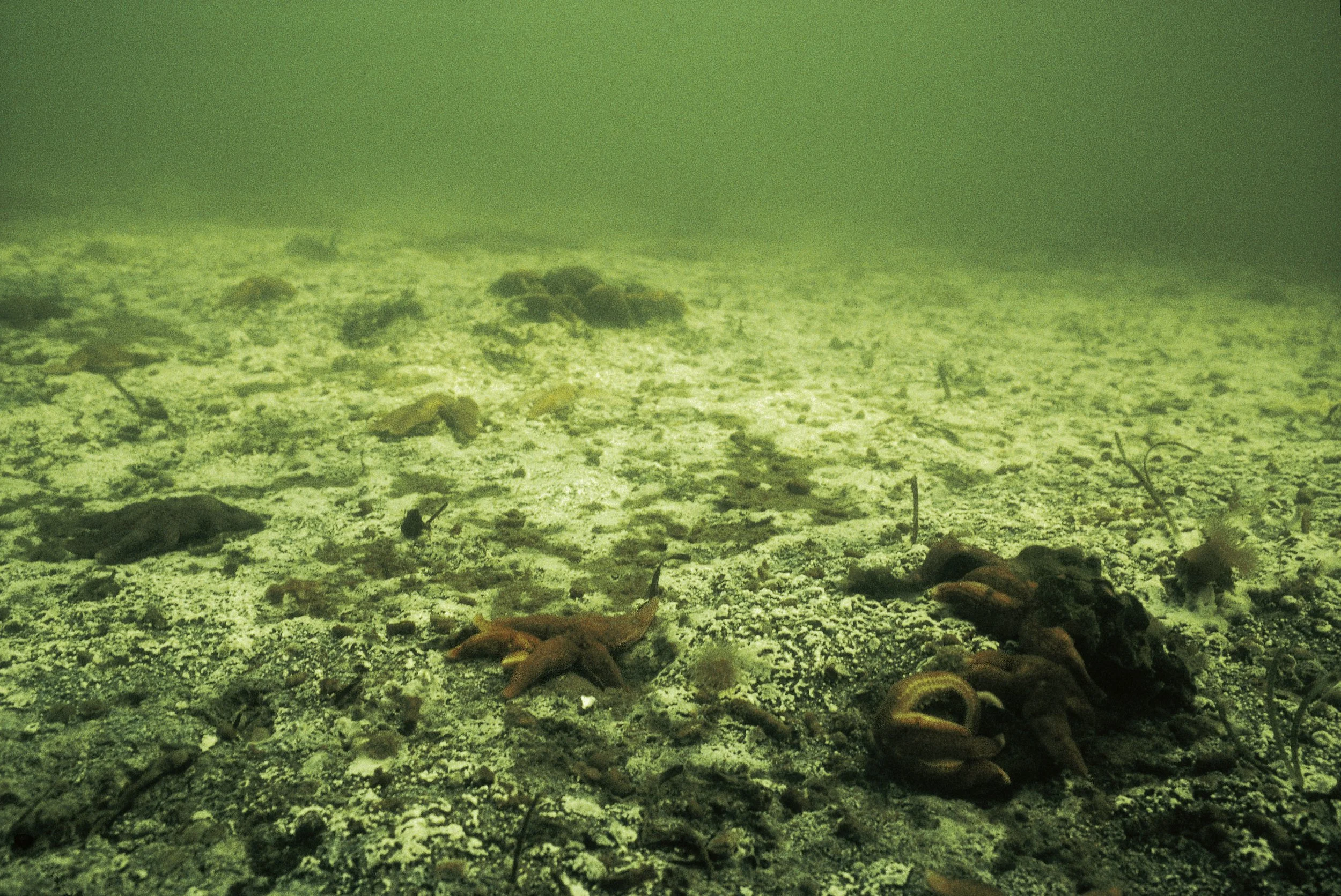
Photos by Peter Bondo Christensen
I have been working on means to optimize nutrient use efficiency in Danish agriculture since my Master’s studies in Agronomy at the University of Copenhagen, throughout my work at the Danish Ministry of Agriculture, in environmental NGOs and currently, as I pursue a PhD at Aarhus University. However, my focus has always been nationally oriented (and European, since our national policies are shaped by the obligations in the Nitrate Directive and the Water Framework Directive). Thus, my Policy Fellowship with iN-Net allows an overdue broadening from a domestic to a global focus on the challenges and solutions related to the use of nitrogen.
During my iN-Net policy fellowship I will contribute to the UNEP Working Group on Nitrogen’s work on National Action Plans (NAPs) on Sustainable Nitrogen Management. My main project is to synthesize lessons learned from the Danish, Japanese and Sri Lankan experiences on developing national nitrogen policies. The focus will primarily be on the decision-making processes rather than the technical content of the policies. I wish to highlight fruitful collaborations and circumstances leading to effective implementation and also potential challenges having delayed or hindered progress. The hope is that these lessons can serve as concrete inspiration for other countries drafting their NAPs, ideally helping them to fast track successful nitrogen governance. This knowledge will be gained through interviews with stakeholders from Denmark, Japan and Sri Lanka, who have been involved in important stages of developing national nitrogen policies and the NAPs.
These countries—Denmark, Japan and Sri Lanka—were chosen due to their diverse experiences with nitrogen governance. Denmark has long been developing nitrogen regulations for the agriculture sector with the latest development being the Green Tripartite Agreement. Japan has recently developed their NAP, which was the first of its kind. Sri Lanka has been actively addressing nitrogen-related challenges globally, spearheading the Colombo Declaration with the ambition to halve nitrogen waste by 2030 and the UNEA 5.2 Resolution on Sustainable Nitrogen Management. Hence, these country examples offer insights from different experiences with developing nitrogen policies under different institutional contexts.
A different part of my fellowship is to suggest a “code of good agricultural practices” for the NAP guidelines - strongly inspired by the EU Nitrate Directive Annex II, which offers examples of farming practices to reduce nitrogen losses. To define such practices for the NAP guidelines, I will be using the INMS database on Measures for Sustainable Nitrogen Management. Customizing it to regional contexts could optimize its usability for countries developing their NAP.
There are so many directions this work could take. For one, I was dreaming of discussing farmers’ incentives to implement sustainable nitrogen practices when global treaties or national regulations are absent. Unfortunately, not everything can be completed within the single year of my Policy Fellowship. Instead I hope to find myself at a future iN-Net webinar listening to some interesting discussions on such topics!
This fellowship has taken me from my national nitrogen focus in Denmark to the global efforts on reducing nitrogen losses. International agreements such as the Colombo Declaration and the UNEA 5.2 Resolution were new to me when I joined iN-Net, and I am very pleased with the opportunity this fellowship brings. In the best circular way, the fellowship is also taking me back to the national focus through my work on the National Action Plans. I am looking forward to diving deeper into all these issues and to follow iN-Net’s future journey.